



Nonfiction
eBook
Details
PUBLISHED
Made available through hoopla
DESCRIPTION
1 online resource (310 pages)
ISBN/ISSN
LANGUAGE
NOTES
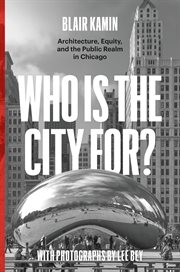
A vividly illustrated collaboration between two of Chicago's most celebrated architecture critics casts a wise and unsparing eye on inequities in the built environment and attempts to rectify them. From his high-profile battles with Donald Trump to his insightful celebrations of Frank Lloyd Wright and front-page takedowns of Chicago mega-projects like Lincoln Yards, Pulitzer Prize-winning architecture critic Blair Kamin has long informed and delighted readers with his illuminating commentary. Kamin's newest collection, Who Is the City For?, does more than gather fifty-five of his most notable Chicago Tribune columns from the past decade: it pairs his words with striking new images by photographer and architecture critic Lee Bey, Kamin's former rival at the Chicago Sun-Times. Together, they paint a revealing portrait of Chicago that reaches beyond its glamorous downtown and dramatic buildings by renowned architects like Jeanne Gang to its culturally diverse neighborhoods, including modest structures associated with storied figures from the city's Black history, such as Emmett Till. At the book's heart is its expansive approach to a central concept in contemporary political and architectural discourse: equity. Kamin argues for a broad understanding of the term, one that prioritizes both the shared spaces of the public realm and the urgent need to rebuild Black and brown neighborhoods devastated by decades of discrimination and disinvestment. "At best," he writes in the book's introduction, "the public realm can serve as an equalizing force, a democratizing force. It can spread life's pleasures and confer dignity, irrespective of a person's race, income, creed, or gender. In doing so, the public realm can promote the social contract - the notion that we are more than our individual selves, that our common humanity is made manifest in common ground." Yet the reality in Chicago, as Who Is the City For? powerfully demonstrates, often falls painfully short of that ideal
Mode of access: World Wide Web