






Nonfiction
eAudiobook
Details
PUBLISHED
Made available through hoopla
EDITION
DESCRIPTION
1 online resource (1 audio file (8hr., 18 min.)) : digital
ISBN/ISSN
LANGUAGE
NOTES
Read by Kimberly M. Wetherell
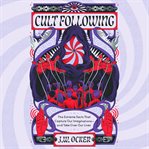
From the author of "Cursed Objects" and "The United States of Cryptids" comes an eye-popping compendium of the most infamous, audacious, and dangerous cults in history. Have you ever wondered how smart, normal people end up enmeshed in extreme cults? Weird history expert J. W. Ocker strives to answer that question in Cult Following. Everything you've ever wanted to know about history's most notorious cults-and the psychology of the people who join them-is packed into this accessible, engaging volume. Walk in the footsteps of the followers who were lured into these sinister groups, including: Branch Davidians: Led by David Koresh, this cult was waiting out the apocalypse in 1993 when the FBI infamously raided their compound in Waco, Texas. Narcosatanists: This cult of drug traffickers in 1980s Mexico was led by Adolfo de Jesús Constanzo, who believed he had magic powers and committed human sacrifice. Brotherhood of the Seven Rays: The earliest known UFO cult, the infiltration and study of the Brotherhood by psychologists inspired the term "cognitive dissonance." Ho No Hana Sanpogyo: The founder, Hogen Fukunaga, claimed to be able to tell someone's fortune by examining their feet. Breatherianism: Breatherians believe that humans can live on air alone. Their founder, Wiley Brooks, claimed to have gone without food for nineteen years. NXIVM: This twenty-first century cult attracted several members of Hollywood and engaged in sex trafficking, forced labor, and racketeering under the guise of personal development seminars. In "Cult Following", Ocker sheds light on the terrifying attraction of cults, demonstrating the elasticity of belief, the desperateness of belonging, and the tragedy of trust
Mode of access: World Wide Web