



Nonfiction
eAudiobook
Details
PUBLISHED
Made available through hoopla
EDITION
DESCRIPTION
1 online resource (1 audio file (9hr., 03 min.)) : digital
ISBN/ISSN
LANGUAGE
NOTES
Read by Kaliswa Brewster
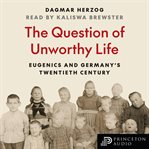
This audiobook narrated by Kaliswa Brewster reveals the dark history of eugenic thought in Germany from the nineteenth century to today�and the courageous countervoices Between 1939 and 1945, Nazi genocide claimed the lives of nearly three hundred thousand people diagnosed with psychiatric illness or cognitive deficiencies. Not until the 1980s would these murders, as well as the coercive sterilizations of some four hundred thousand others classified as "feeble-minded," be officially acknowledged as crimes at all. The Question of Unworthy Life charts this history from its origins in prewar debates about the value of disabled lives to our continuing efforts to unlearn eugenic thinking today. Drawing on a wealth of rare archival evidence, Dagmar Herzog sheds light on how Germany became the only modern state to implement a plan to eradicate cognitive impairment from the entire body politic. She traces how eugenics emerged from the flawed premise that intellectual deficiency was biologically hereditary, and how this crude explanatory framework diverted attention from the actual economic and clinical causes of disability. Herzog describes how the vilification of the disabled was dressed up as the latest science and reveals how Christian leaders and prominent educators were complicit in amplifying and legitimizing Nazi policies. Exposing the driving forces behind the Third Reich's first genocide and its persistent legacy today, The Question of Unworthy Life recovers the stories of the unsung advocates for disability rights who challenged the aggressive victimization of the disabled and developed alternative approaches to cognitive impairment based on ideals of equality, mutuality, and human possibility
Mode of access: World Wide Web