




Details
PUBLISHED
Made available through hoopla
DESCRIPTION
1 online resource
ISBN/ISSN
LANGUAGE
NOTES
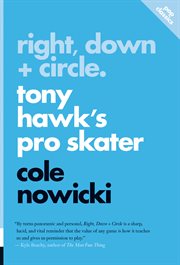
An exuberant, incisive look at how Tony Hawk's Pro Skater transformed a culture Going from a hobby toy for surfers to an Olympic sport, skateboarding has had a tumultuous history. Today, professional skateboarders land endorsement deals with Nike and Adidas, while popular television series like HBO's Betty tell the stories of diverse crews of skaters living in New York City. So how did a fledgling subculture rise from its near-death knell in the '90s to become ubiquitous today? It was simply a matter of finding the right messenger. In 1999, the bestselling video game Tony Hawk's Pro Skater was released, and a new generation was exposed to skateboarding culture right in their very own homes. Kids and adults alike could now spend hours playing as actual skateboarders, learning the vernacular, listening to the music skateboarders loved, and having fun onscreen before trying to skate IRL in the driveway. Right, Down + Circle explores how a video game starring the most famous pro skater in the world brought skateboarding culture - and its ever-shifting markers of music, subversion, and coolness - to the masses and ultimately transformed the culture it borrowed from in the process. Combining skateboarding history and memoir, Right, Down + Circle explores how a video game starring the most famous pro skater in the world brought skate culture - and its ever-shifting markers of music, subversion, and coolness - to the masses and ultimately transformed the culture it borrowed from in the process. Cole Nowicki is a Vancouver-based writer, producer, publisher, and lifelong skateboarder. He was a columnist for King Skateboard Magazine, lead writer for the acclaimed skateboarding documentary series Post Radical, and writes the skateboarding and pop-culture newsletter Simple Magic. His freelance work has appeared in The Walrus, Vice, Maisonneuve, and more. Since the beginning of time, a dynamic has existed among siblings playing video games. Whether they were in an arcade, had their noses pressed to an old cathode-ray tube TV screen or found themselves huddled over the glowing rectangle of a smartphone, the older sibling has always, always, hogged that shit. Perhaps not all older siblings were guilty of this: the bogarting of quarters, that unbreakable grip on a greasy Super Nintendo controller, the claim that the phone is theirs and they don't have to let you play, you idiot. But my older brother James certainly did. For hours I'd sit in the basement of our childhood home, forced to watch as he and his friend Nathan mashed buttons on the PlayStation controller. Tomb Raider, Gex, 1080° Snowboarding-all games I initially witnessed more than played. Only when the two went outside to smoke the cigarettes that my brother would steal from our mother would I get my opportunity. As we moved into the late '90s, James and Nathan, now in high school and in search of an identity to call their own, found a new hobby, something to cling to while floating through the cruel, confusing morass of their teenage years: skateboarding. Almost immediately, the width of their pant legs ballooned, swallowing their skinny pale legs. The summer afternoons that once took place in the basement were now spent rolling around the driveway, chain wallets glinting in the sun, narrated by a new language I had no grasp of: ollies, kickflips, backside tailslides. It was all Latin to me. To most younger siblings, your older sibling's interests are highly contagious. So, it wasn't long before I put down the PlayStation controller-which, in a revelation, I'd begun to have almost unfettered access to-and began to go outside to watch Nathan and my brother try to calculate the taxing physics behind the ollie. At first, I didn't get it. All they did was fall, pant legs parachuting but not lessening the impact of their pimpled teenage skin on the concrete. I tried riding their skateboards in a f
Mode of access: World Wide Web