






Nonfiction
eBook
Details
PUBLISHED
Made available through hoopla
DESCRIPTION
1 online resource
ISBN/ISSN
LANGUAGE
NOTES
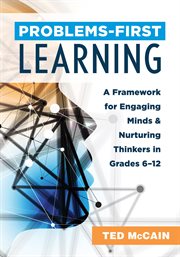
The educational pattern of lecture, listen, and forget is deeply ingrained in schools. In this user-friendly resource, author Ted McCain offers a compelling alternative that flips lessons on their heads: the problems-first instructional method. Using this method, you will fully engage students by first introducing a problem and then empowering learners to solve it using creativity, innovation, collaboration, and other essential skills. Use this resource to help students achieve higher levels of thinking: - Identify the need for instructional change in the current educational system. - Consider the transferable skills students need for solving problems in the workplace and in life outside the classroom. - Study the benefits of a problems-first teaching style. - Learn to implement problems-first methods into existing classrooms. - Understand how this method teaches seven essential 21st century skills highly desired in the modern workforce. - Discover how to introduce role-play into the classroom and broaden lessons to encompass whole-mind learning and boost student engagement. Contents: Acknowledgments Table of Contents About the Author Introduction Part One: Understanding New Needs and a New Approach for a Digital Generation Chapter 1: The New Needs of a Changing Generation Chapter 2: The Thinking and Processing Skills Students Need for the Future Chapter 3: The Key to a New Approach Part Two: Learning How to Create Problems-First Projects Chapter 4: Envision a New Role for the Teacher Chapter 5: Ensure That Problems Are First, Teaching Is Second Chapter 6: Establish a Real-World Link Using Role-Play Chapter 7: Expand Your View of the Curriculum Chapter 8: Equip Students With the 4 Ds of Problem Solving Chapter 9: Elevate the Students' Level of Thought Chapter 10: Educate the Whole Mind Chapter 11: Evaluate Holistically Chapter 12: Ease Yourself Out of the Picture Part Three: Making the Shift to Problems-First Teaching Chapter 13: Pointers for Shifting to a Problems-First Approach Chapter 14: Examples of Problems-First Lesson Plans References and Resources Index
Mode of access: World Wide Web