





Nonfiction
eBook
Details
PUBLISHED
Made available through hoopla
DESCRIPTION
1 online resource
ISBN/ISSN
LANGUAGE
NOTES
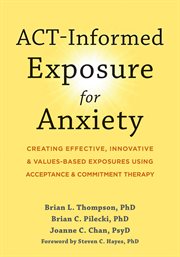
Powerfully effective, innovative, values-driven exposures for treating clients with anxiety. Acceptance and commitment therapy (ACT) offers a proven effective model rooted in cutting edge research for guiding the use of exposure therapy-one of the most effective treatments for anxiety-related disorders. This comprehensive book provides easy-to-implement guidance in utilizing ACT-informed exposure while remaining grounded in theory, so you can help your clients approach what they're afraid of in order to live their best lives. As you know, there are many different styles and ways of practicing exposure. This essential professional guide synthesizes evidence-based science, clinical studies, and complex theory into one powerfully effective resource, and makes ACT-informed exposure accessible to any practicing clinician. The book also offers practical suggestions for tailoring exposure exercises grounded in ACT to effectively address common client and therapist barriers to exposure therapy. Whether you are new to ACT and exposure, or are experienced in other models of exposure therapy and interested in incorporating ACT into your practice, this book is an essential resource for your professional library. This clinical guide shows therapists how to create effective, innovative, and values-driven exposures for treating clients with anxiety and avoidant behaviors. The exposures outlined in this book are easy-to-implement, easily tolerated by clients, and work to strengthen psychological flexibility. Brian L. Thompson, PhD, is a licensed psychologist; and director of the anxiety clinic at the Portland Psychotherapy in Portland, OR. He specializes in working with anxiety and obsessive-compulsive and related disorders, and has published research in these areas. Brian C. Pilecki, PhD, is a clinical psychologist at Portland Psychotherapy who specializes in the treatment of anxiety disorders, trauma, post-traumatic stress disorder (PTSD), and matters related to the use of psychedelics. Brian also has extensive experience in the areas of mindfulness and meditation, and incorporates them into his therapy with clients. He is an active researcher and has published on topics such as anxiety disorders, mindfulness, and psychedelic-assisted therapy. Joanne C. Chan, PsyD, is a licensed psychologist, and assistant professor of psychiatry at Oregon Health and Sciences University (OHSU) where she provides psychological support to medical and dental faculty, residents, and fellows. Joanne specializes in exposure therapy for anxiety and obsessive-compulsive and related disorders, and regularly provides training and education in her areas of expertise. Foreword writer Steven C. Hayes, PhD, is Nevada Foundation Professor in the department of psychology at the University of Nevada, Reno. He is originator and codeveloper of acceptance and commitment therapy (ACT), a powerful therapy method that is useful in a wide variety of areas. Thompson, Chan, and Pilecki reside in Portland, OR. "Exposure-based treatments are some of the most effective, but still poorly understood, clinical strategies for anxiety problems. This book is an important step forward by embracing a process-based perspective and linking it to acceptance and commitment therapy (ACT). It is an intelligent and thoughtful integration, providing clear recommendations for improving treatment. I highly recommend this book." -Stefan G. Hofmann, PhD, Alexander von Humboldt Professor at the Philipps University of Marburg, and author of The Anxiety Skills Workbook and CBT for Social Anxiety "In this book, Thompson, Pilecki, and Chan articulate the core principles of ACT-informed exposure as clearly and accessibly as I have ever read. The content is comprehensive-even discussing cultural considerations-making the book an essential resource for any clinician doing exposures with their clients. Even if you're already doing ACT-based exposures, you
Mode of access: World Wide Web