




Nonfiction
eBook
Details
PUBLISHED
Made available through hoopla
DESCRIPTION
1 online resource
ISBN/ISSN
LANGUAGE
NOTES
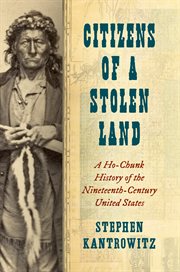
This concise and revealing history reconsiders the Civil War era by centering one Native American tribe's encounter with citizenship. In 1837, eleven years before Wisconsin's admission as a state, representatives of the Ho-Chunk people yielded under immense duress and signed a treaty that ceded their remaining ancestral lands to the U.S. government. Over the four decades that followed, as "free soil" settlement repeatedly demanded their further expulsion, many Ho-Chunk people lived under the U.S. government's policies of "civilization," allotment, and citizenship. Others lived as outlaws, evading military campaigns to expel them and adapting their ways of life to new circumstances. After the Civil War, as Reconstruction's vision of nonracial, national, birthright citizenship excluded most Native Americans, the Ho-Chunk who remained in their Wisconsin homeland understood and exploited this contradiction. Professing eagerness to participate in the postwar nation, they gained the right to remain in Wisconsin as landowners and voters while retaining their language, culture, and identity as a people. This history of Ho-Chunk sovereignty and citizenship offer a bracing new perspective on citizenship's perils and promises, the way the broader nineteenth-century conflict between "free soil" and slaveholding expansion shaped Indigenous life, and the continuing impact of Native people's struggles and claims on U.S. politics and society
Mode of access: World Wide Web