






Nonfiction
eAudiobook
Details
PUBLISHED
Made available through hoopla
EDITION
DESCRIPTION
1 online resource (1 audio file (7hr., 52 min.)) : digital
ISBN/ISSN
LANGUAGE
NOTES
Read by Joel Schrank
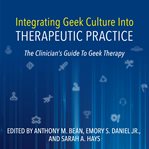
Have you ever had a client who talks about Video Games, Dungeons and Dragons, Anime, or Comic Books? Likely they identify as a Geek. Being a geek can be seen as difficult for many; the social awkwardness, ineptitude, and judgment from others leads individuals to feel isolated in a world of their own. Geeks, by traditional definition, are passionate about anthologies and characters from a variety of fictional, fantasy, and virtual formats that are sometimes niche or unpopular, creating feelings of relatedness towards avatar experiences in an often otherwise lonely life. Integrating Geek Culture into Therapeutic Practice: The Clinician's Guide to Geek Therapy is a comprehensive compendium of how Geek Therapy clinicians and scholars currently use a variety of games, media artifacts, and other geek culture items in therapeutic context and intervention. Even more important, the authors within this book are currently at the forefront of their research fields and are accordingly considered experts within the growing field of Geek Therapy clinical practice. Throughout the book, leading researchers within the field of Psychology, Communication Studies, and more have been able to provide clinical examples, research-based approaches, and specifics about how to utilize these items therapeutically - further enhancing the material and providing solid supportive guidance for clinicians. Clinicians reading this can develop further competence and understanding of the concepts found within their practices which will be helpful for their personal success and cultural competence to best serve their clientele. These modalities have resulted in clients experiencing: Reduced anxiety and depressive symptoms Improved self-esteem Richer interpersonal interactions Greater social and school engagement and Superior development of social skills and problem solving These techniques are being used to improve overall psychological well-being across all ages, as well as focusing on the specific needs of targeted populations, such as those with ADHD, ASD, PTSD, and mood and anxiety disorders
Mode of access: World Wide Web