






Details
PUBLISHED
Made available through hoopla
DESCRIPTION
1 online resource
ISBN/ISSN
LANGUAGE
NOTES
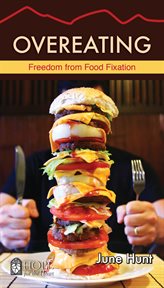
Whether you are personally struggling with overeating or you know someone who is, this 96-page book offers you key information on the causes, effects, and practical solution for compulsive eating. It answers key questions, such as - Am I depressed because I overeat? Or do I overeat because I'm depressed? - Why is it so hard for me to resist the urge to eat? - Is it wrong to reward myself with food? - What daily choices can I make to bring change? Are you tempted to "super-size it" at the drive-thru? Maybe you prefer late-night snacking while everyone else is asleep. If we're honest, many would have to admit that we often eat too much! After personally counseling people struggling with compulsive eating disorders for 30 years, June Hunt has seen firsthand what it takes to overcome the urge to overeat and to conquer food fixation. She invites you to experience the freedom, energy, and joy that come from running to God (not to food) for comfort. "I've had a rough day, but this chocolate bar will make me feel better." This quick-reference guide on overeating combines June's years of experience with timeless biblical truth, relevant information, and practical action-steps. - Get key definitions, such as what counts as overeating? What is compulsive eating? and what is binge eating? - Learn how to spot the basic characteristics and signs that you struggle with overeating (includes a self-test) - Discover the situational and root causes of compulsive eating disorders, such as anxiety, unresolved pain, depression, or a crazy-hectic schedule. - Get practical advice on how to personally overcome compulsive eating or help guide someone through the process. Includes 11 "first steps" to take to begin your journey toward a healthy mindset toward food and 8 "daily choices" you can make for change. Click here to find out more. - Dive into the Word of God and be transformed as you align your thinking with God's thinking. Recommended resource for pastors, church leaders, youth leaders, children's ministry leaders, parents, concerned friends and family members. What is Overeating and Compulsive Eating? Overeating means excessive eating. Compulsive eating is uncontrolled overeating based on "emotional hunger," not physical hunger. It often comes with a seemingly irresistible urge to eat. - What are the warning signs of compulsive overeating? People who compulsively overeat are often trying to find comfort, escape from a problem, or calm their anxiety with food. Emotional eaters are trapped in a vicious cycle: eating to feel better, feeling worse instead, and then turning back to food for comfort and relief. - What are some of the effects and symptoms of overeating? - Physical symptoms of overeating: Chronic neck and joint pain, diabetes, heart disease, high blood pressure, kidney disorder, shortness of breath after mild exertion - Relational symptoms of overeating: Feeling embarrassed, feeling inhibited, feeling isolated, and feeling rejected. - Emotional Symptoms of overeating: anger, anxiety, depression, guilt, hopelessness, etc - Spiritual Symptoms of overeating: disobedience (gluttony), shame, guilt, self-condemnation 12 Practical Tips on How to Stop Overeating Don't say, "I am dieting." Do say, "I'm eating healthy foods." Don't weigh yourself every day. Do record your weight once a week. Don't keep unhealthy food around you. Do keep healthy food prepared for snacks. Don't eat fast! Do chew slowly. It takes 20 minutes for your brain to register that you are full. Don't get caught off guard by temptation. Do have an alternate plan (call a friend, memorize Scripture, take a walk, enjoy a hobby). Don't reward yourself with
Mode of access: World Wide Web