





Nonfiction
eBook
Details
PUBLISHED
Made available through hoopla
DESCRIPTION
1 online resource
ISBN/ISSN
LANGUAGE
NOTES
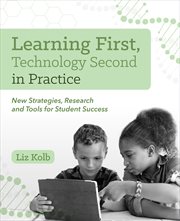
Building on the bestselling Learning First, Technology Second, this book helps teachers choose technology tools and instructional strategies based on an understanding of how students learn. After observing teachers and students interact with technology over many years, Liz Kolb began to wonder: While students' attention levels are high when they use digital devices, how can we move them to an equally high level of commitment to their learning tasks? Her extensive research into this question led to the development of the Triple E Framework, in which the learning goal-not the tool-is the most important element of a given lesson. With this understanding, this book extends the ideas from Learning First, Technology Second, offering: -An overview of the popular and highly regarded Triple E Framework. -A compelling myth vs. reality format through which to apply the research and strategies tied to the Triple E Framework. -A step-by-step process for instructional designers and tech coaches to use the framework with classroom teachers for better lesson design. -Twelve authentic lessons designed by K-12 teachers to meet all three elements of the Triple E Framework, with suggestions on how to improve lessons with technology. -Examples of how two schools have systematically integrated the framework across their district.For Learning First, Technology Second readers, this book builds on their knowledge, providing new research, scenarios, cases and ideas for using technology in education. For readers new to the framework, this book provides all of the essential research and tools mentioned above, along with an overview of the framework, so they can apply what they learn without missing a beat
Mode of access: World Wide Web