






Nonfiction
eAudiobook
Details
PUBLISHED
Made available through hoopla
EDITION
DESCRIPTION
1 online resource (1 audio file (1hr., 35 min.)) : digital
ISBN/ISSN
LANGUAGE
NOTES
Read by Jim Johnston
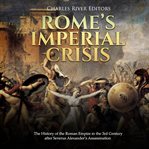
The 50 years following the assassination of Severus Alexander on March 19, 235 CE has been generally regarded by academics as one of the lowest points in the history of the Roman Empire. This stands in stark contrast to the previous 150 years, which included the reigns of the Five Good Emperors and has been universally praised as one of the high points of the empire. Severus Alexander was the last of the Severan emperors, and the subsequent years of crisis (235-285 CE) were characterized by a series of short reigns, usually ending in the violent death of the reigning emperor. As Roman leaders vied with each other for power and constantly fought civil wars, Rome's famous roads fall into disrepair, the economy was crippled, the continent-wide trade system that had flourished in the previous years was replaced with a basic barter system, and there was a reduction in international trade. People became ever more fearful for their personal safety, and the Imperial Crisis saw an increasing trend toward sacrificing personal liberties and rights in return for guarantees of safety from wealthy landowners. All of this foreshadowed the emergence of the European feudal system and serfdom. These were obviously turbulent times, and given the volatility, many historians have debated how the Roman Empire managed to survive in any form at all, let alone remain robust enough to allow Diocletian to restore order
Mode of access: World Wide Web