




Nonfiction
eBook
Details
PUBLISHED
Made available through hoopla
DESCRIPTION
1 online resource
ISBN/ISSN
LANGUAGE
NOTES
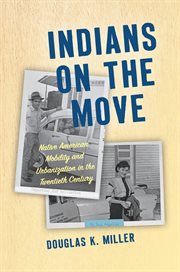
In 1972, the Bureau of Indian Affairs terminated its twenty-year-old Voluntary Relocation Program, which encouraged the mass migration of roughly 100,000 Native American people from rural to urban areas. At the time the program ended, many groups--from government leaders to Red Power activists--had already classified it as a failure, and scholars have subsequently positioned the program as evidence of America's enduring settler-colonial project. But Douglas K. Miller here argues that a richer story should be told--one that recognizes Indigenous mobility in terms of its benefits and not merely its costs. In their collective refusal to accept marginality and destitution on reservations, Native Americans used the urban relocation program to take greater control of their socioeconomic circumstances. Indigenous migrants also used the financial, educational, and cultural resources they found in cities to feed new expressions of Indigenous sovereignty both off and on the reservation. The dynamic histories of everyday people at the heart of this book shed new light on the adaptability of mobile Native American communities. In the end, this is a story of shared experience across tribal lines, through which Indigenous people incorporated urban life into their ideas for Indigenous futures
Mode of access: World Wide Web